

BLACK PHILODENDRON AND LEMONS 1943 - Henri Matisse Art Prints - 100x150 cm / 40x60″ inches | Henri Matisse Poster | Henri Matisse Prints
BLACK PHILODENDRON AND LEMONS 1943 - Henri Matisse Art Prints - 100x150 cm / 40x60″ inches | Henri Matisse Poster | Henri Matisse Prints
No se pudo cargar la disponibilidad de retiro
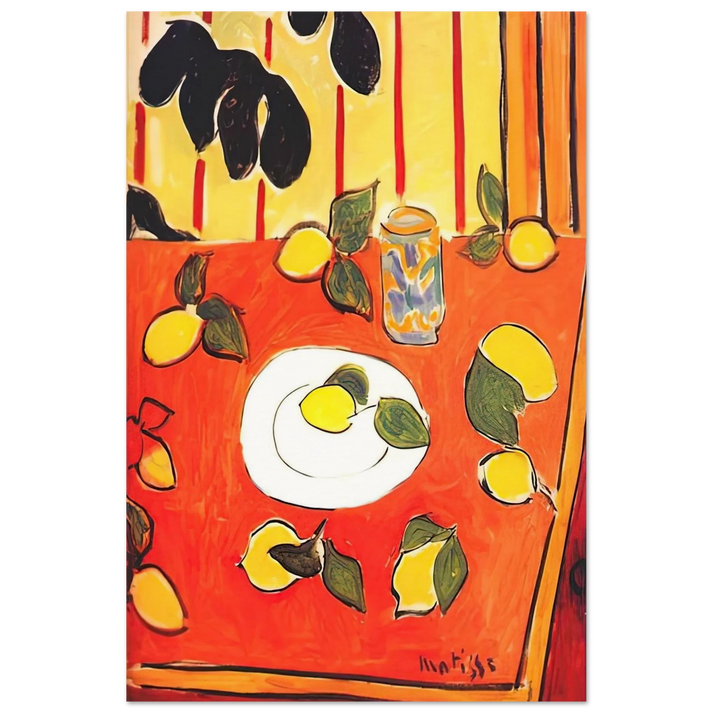
Henri Matisse's Black Philodendron and Lemons, 1943: A Masterpiece of Color and Form
Elevate your space with this exquisite museum-quality reproduction of Henri Matisse’s Black Philodendron and Lemons, 1943. A radiant celebration of color and composition, this artwork captures Matisse’s genius in distilling nature into bold, harmonious forms. Part of his iconic cut-out period, this piece exemplifies the artist’s revolutionary technique of "drawing with scissors," where vibrant paper shapes become both subject and medium.
Matisse’s Black Philodendron and Lemons is a testament to his ability to evoke joy and vitality through simplicity. The deep black of the philodendron leaves contrasts dramatically with the luminous yellow of the lemons, creating a dynamic interplay of light and shadow. This work is not merely a still life—it is a symphony of color, a masterclass in balance, and a window into the artist’s later years, where physical limitations gave way to unparalleled creative freedom.
RedKalion’s Master’s Edition archival print ensures that every nuance of Matisse’s original vision is preserved. Printed on FSC-certified, acid-free paper with a matte, uncoated finish, this reproduction offers a tactile, luxurious experience. The 250 gsm (110 lb) weight and 0.29 mm thickness provide depth and durability, while the off-white, natural tone enhances the artwork’s warmth and authenticity. Whether displayed in a gallery-like setting or a modern interior, this print brings the timeless elegance of Matisse into your home.
- Artwork Title: Black Philodendron and Lemons, 1943
- Artist: Henri Matisse (1869–1954)
- Print Size: 100x150 cm (40x60″ inches)
- Paper: Master’s Edition archival paper, matte, uncoated, off-white
- Paper Weight: 250 gsm (110 lb), 0.29 mm (11.4 mils) thickness
- Archival Quality: Acid-free (pH above 7) to prevent yellowing
- Sustainability: FSC-certified paper for eco-conscious collectors
Own a piece of art history with this Henri Matisse fine art print, meticulously crafted to meet the highest standards of museum-quality reproduction. Perfect for collectors, interior designers, and anyone who appreciates the transformative power of great art.


Discover Unlimited Art Possibilities
At RedKalion, you can find virtually any artwork from any artist, available in a wide range of sizes to perfectly match your space.
If you didn’t find what you’re looking for, contact us at support@redkalion.com . We will source any artwork and produce it in any size and format you need, including art prints, posters, canvas, framed pieces, framed canvas, and more.
For dedicated art enthusiasts, we also offer handcrafted replicas of any artwork, carefully painted by highly skilled artists using traditional techniques.
For custom requests, contact us at support@redkalion.com .
What is the significance of Black Philodendron and Lemons, 1943 in Henri Matisse’s career?
This artwork is a prime example of Matisse’s cut-out technique, developed during his later years. It reflects his mastery of color and form, blending simplicity with emotional depth, making it a pivotal work in 20th-century modern art.
What makes RedKalion’s Henri Matisse prints museum-quality?
Our prints use acid-free, FSC-certified paper with a matte, uncoated finish and 250 gsm weight, ensuring archival longevity and a luxurious, tactile experience.
Is the paper used for this print acid-free and archival?
Yes, our Master’s Edition paper is acid-free (pH above 7), preventing yellowing and ensuring your Matisse art print remains vibrant for decades.
What are the dimensions of this Henri Matisse poster?
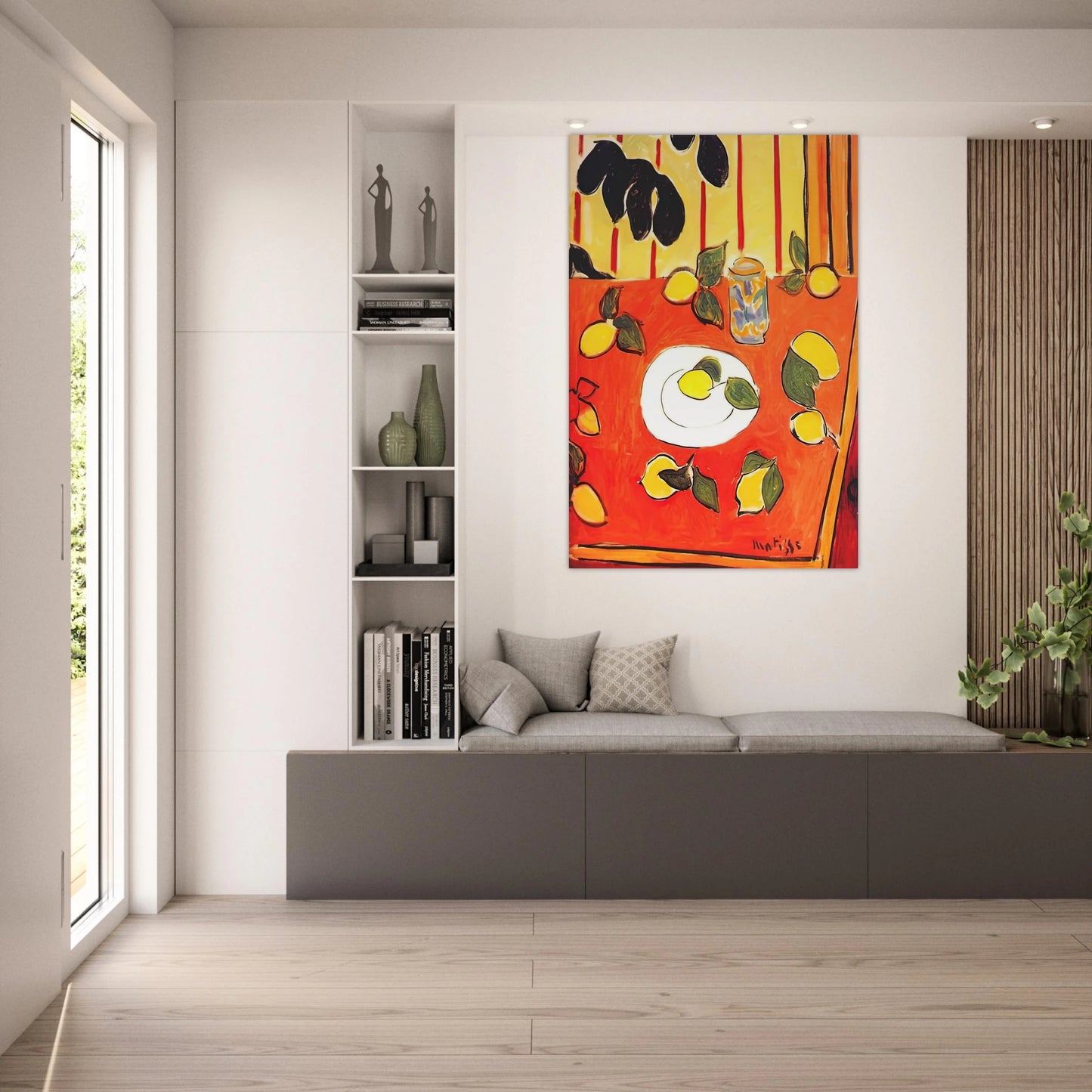
This print is available in 100x150 cm (40x60″ inches), offering a bold, statement-making size perfect for modern interiors or gallery walls.
How is the print packaged and shipped?
Each fine art print is carefully rolled in a protective tube and shipped with tracking. We ensure safe, secure delivery worldwide for your museum-quality reproduction.
Can I frame this Matisse art print immediately upon arrival?
Yes! Our prints are shipped flat in a sturdy tube, ready for framing. We recommend using acid-free matting to preserve the artwork’s archival quality.
What inspired Matisse to create Black Philodendron and Lemons?
Matisse drew inspiration from nature and his love of vibrant color. This piece reflects his fascination with organic forms and his ability to distill them into bold, expressive compositions.